
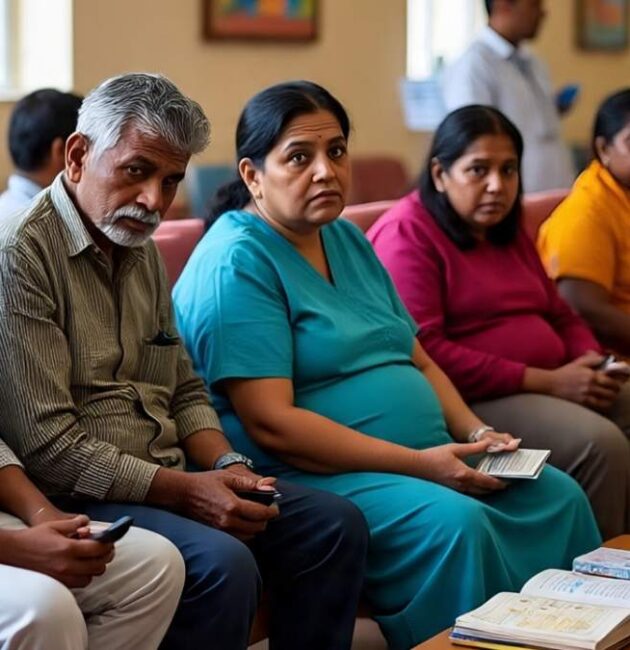
Sickle Cell Disease (SCD) is a major health concern for millions of families across India—especially in tribal and rural communities, where its prevalence is highest. This inherited disorder causes red blood cells to take on a sickle shape, leading to painful episodes, frequent illness, and serious complications. Sickle Cell Disease cases are rising across India, with Odisha facing a particularly alarming situation.
In many affected areas, lack of awareness and limited access to healthcare have made SCD an urgent challenge for Indian society. To address this, the Government of India has launched an ambitious nationwide mission to screen, support, and care for those at risk, and to improve the lives of patients and their families. Understanding SCD—its symptoms, causes, and precautions—empowers us all to take part in the fight against this disease and build a healthier future for every Indian.
What is Sickle Cell Disease? Understanding Symptoms, Causes, and Precautions
Sickle cell disease (SCD) is a group of inherited disorders that affect hemoglobin—the protein inside red blood cells responsible for carrying oxygen throughout the body. In SCD, the red blood cells become abnormal and take on a sickle or crescent shape, which leads to a variety of health complications.
What happens in Sickle Cell Disease?
Healthy red blood cells are round and flexible, allowing them to move easily through blood vessels. People with SCD have red blood cells that are rigid, sticky, and misshapen (like sickles). These cells:
- Die prematurely, causing a shortage of red blood cells (anemia).
- Clump together, blocking blood flow in small vessels and leading to pain crises and organ damage.
Symptoms of Sickle Cell Disease
Symptoms usually start in early childhood and vary in severity and frequency. The most common symptoms include:
- Pain crises (vaso-occlusive episodes): Sudden, severe pain in the chest, abdomen, joints, back, or limbs, often lasting hours or days.
- Anemia: Fatigue, pallor, shortness of breath, jaundice (yellowing of skin/eyes).
- Swelling of hands and feet: Due to blocked blood flow.
- Frequent infections: Sickle cells damage the spleen, increasing vulnerability.
- Delayed growth or puberty: Due to chronic anemia.
- Vision problems: Blockages in eye blood vessels can damage the retina.
Other symptoms may include:
- Dizziness
- Stroke
- Ulcers
- Short stature
Causes of Sickle Cell Disease
SCD is caused by a genetic mutation affecting the beta-globin gene responsible for hemoglobin production. This mutation leads to the formation of abnormal hemoglobin S (HbS):
- Individuals inherit the disease in an autosomal recessive pattern—both parents must carry the sickle cell gene for a child to develop SCD.
- Carriers (with one sickle cell gene and one normal gene) usually do not show symptoms.
The genetic mutation results in glutamic acid being replaced by valine at position 6 of the beta-globin chain, causing hemoglobin to become abnormal and red blood cells to sickle under low oxygen conditions.
Who is Most Affected?
- SCD is more common in individuals with ancestry from regions where malaria was widespread, such as sub-Saharan Africa, India, the Mediterranean, the Middle East, and the Caribbean.
- Carrier status provides some protection against severe malaria.
Precautions for Living with Sickle Cell Disease
Managing SCD means preventing complications and pain crises. Key precautions include:
- Stay hydrated: Drink plenty of fluids, especially in hot weather, to prevent sickle cell crises.
- Avoid temperature extremes: Dress appropriately for weather; avoid sudden changes (e.g., swimming in cold water).
- Limit strenuous exercise: Stay active, but avoid activities causing extreme tiredness or shortness of breath.
- Avoid high altitudes: Low oxygen levels at high altitude can trigger crises.
- Prevent infections: Practice good hand hygiene, keep vaccinations up-to-date, and avoid exposure to people with contagious illnesses.
- Eat a healthy diet: Ensure balanced nutrition to support growth and health.
- Manage stress: Use relaxation techniques as stress can trigger pain episodes.
- Avoid alcohol and smoking: Both increase risk for complications.
- Seek regular medical care: Early intervention for fever, pain episodes, or infections is crucial.
Bottom Line
Sickle cell disease is a serious, life-long genetic condition, but with proper precautions, medical care, and healthy habits, people with SCD can manage symptoms and reduce complications. Early diagnosis and ongoing support are essential for a better quality of life.
Sickle Cell Disease in India
- Total No. of Screenings by Government: 60,450,683 people have been screened for Sickle Cell Disease (SCD) across the country as of 28 July, 2025.
- Number of Confirmed Cases Since 1 July, 2023: 216,118 individuals have been diagnosed with the disease in India during this period.
Government of India’s Initiative: NSCAEM
To combat and eliminate SCD, the National Sickle Cell Anaemia Elimination Mission (NSCAEM) was launched by Prime Minister Narendra Modi from Madhya Pradesh on 1 July, 2023. The mission is a landmark effort with several objectives:
- Provision of affordable, accessible, and quality care to all SCD patients.
- Reduction in prevalence of SCD through awareness campaigns.
- Targeted Screening: Aim to screen 7 crore (70 million) people in the age group of 0–40 years, especially in tribal areas, by the year 2025-26.
- Counseling: Support for lifestyle changes and crucial decisions like pre-marriage and pre-natal choices, leveraging efforts from central ministries and state governments.
Implementation
Accoring to Minister of Health and family welfare, creenings are conducted at all health facilities ranging from District Hospitals to Ayushman Arogya Mandir (AAM) level, and other remote/tribal regions. As of late July 2025, screenings have taken place across 17 identified tribal-rich states.
Patient Care at Ayushman Arogya Mandirs (AAMs)
Patients diagnosed with SCD benefit from a range of services to enhance quality of life:
- Regular follow-up care at frequent intervals.
- Counseling for lifestyle management and important life decisions.
- Nutritional supplementation including folic acid tablets distribution.
- Yoga and wellness sessions for physical and mental health.
- Medical management of crisis symptoms and streamlined referral to advanced hospitals.
Access to Medication
- Hydroxyurea, a critical drug for SCD, is now included in the National Health Mission (NHM) Essential Drugs List. It is made available at Sub-Health Centres, Primary Health Centres, Urban PHCs, Community Health Centres, and District Hospitals.
- Financial support is provided under NHM for procurement of Hydroxyurea, significantly reducing patients’ out-of-pocket medical expenses.