
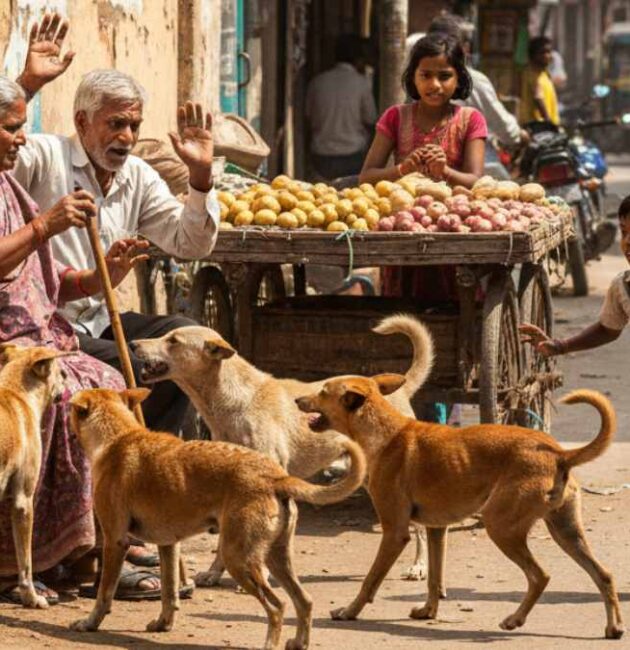
If you’ve ever been chased by a stray dog while walking to work, or worried about your children playing outside because of aggressive strays in your neighborhood, you’re not alone. Millions of Indians face this reality every single day. The stray dog problem has become so serious that even the Supreme Court of India has now stepped in, demanding answers from state governments across the country.
The streets of our cities, towns, and villages are increasingly becoming unsafe due to the growing population of stray dogs. From early morning joggers to school children, delivery workers to elderly citizens taking their evening walks – everyone has a story to share about encounters with stray dogs. Some of these encounters are harmless, but many result in fear, injuries, and in extreme cases, even fatalities due to dog bites and rabies.
Why Are Our Streets Filled With Stray Dogs?
The root of the problem lies in inadequate implementation of Animal Birth Control programs and poor waste management in our neighborhoods. Stray dogs breed rapidly when left unchecked, and the easy availability of food waste on our streets ensures their survival and growth. Most of us have seen packs of dogs near garbage dumps, outside restaurants, or in residential colonies. While many of these dogs may seem harmless, their sheer numbers pose a significant public health and safety risk.
Local municipal authorities are supposed to conduct regular sterilization drives, maintain dog pounds, and employ trained personnel to manage the stray dog population humanely. However, the reality on the ground tells a different story. Most neighborhoods rarely see any organized effort to control the stray dog population. The lack of resources, including veterinarians, dog-catching vehicles, and proper facilities, has made the situation worse year after year.
Supreme Court Intervenes
Recognizing the severity of this nationwide crisis, the Supreme Court recently expanded the scope of the stray dogs case to include all states and union territories. On Friday, the court expressed strong displeasure when Solicitor General Tushar Mehta requested virtual appearance for chief secretaries of multiple states. The bench of Justices Vikram Nath and Sandeep Mehta firmly insisted on physical appearance, making it clear that this matter demands serious attention.
The court had earlier directed all states to file detailed reports about available resources like dog pounds, veterinarians, dog-catching personnel, and specialized vehicles. However, most states failed to comply with this order from August 22, prompting the court to summon chief secretaries personally on November 3 to explain their non-compliance.
What Does This Mean For You?
This legal intervention could finally bring the change that citizens have been desperately waiting for. When the highest court of the country takes such a firm stand, state governments have no choice but to act. This means your local municipal corporation will soon be under pressure to implement proper stray dog management programs in your area.
However, change cannot come from government action alone. As residents, we also have a role to play. Proper waste disposal, not feeding stray dogs indiscriminately in public spaces, and reporting aggressive dogs to authorities are small steps that can make a big difference. Community participation in vaccination drives and supporting animal welfare organizations working on sterilization programs can help address this problem more effectively.
The upcoming Supreme Court hearing on November 3 could mark a turning point in how India manages its stray dog population. Whether you’ve been a victim of dog bites, witnessed attacks, or simply feel unsafe in your own neighborhood, this is an issue that affects every Indian family. It’s time we all participate in finding solutions and hold our governments accountable for creating safer streets.
